Sleep & Rest · 5 min read
The best scents for sleep, and the science of why they work
Your nose has a shortcut to the part of your brain that runs memory and mood. Here is what that means at eleven o’clock at night — and the five scents worth a place on your bedside table.
By Patron Test · Published 24 June 2026

Why scent gets there before thinking does
Almost everything you sense takes a detour. Sight, sound and touch are routed through the thalamus, sorted and labelled, and only then handed to the emotional brain. Smell takes a shorter road: olfactory signals reach the limbic system — the amygdala and hippocampus, the parts that deal in feeling and memory — with far less processing in between, often before you have consciously named what you are smelling.
That shortcut is the whole point. It is why a scent can change the temperature of a room in half a second, and why the smell of a particular soap can put you back in someone else’s bathroom, fifteen years ago, with no warning at all.
For sleep it matters more than you would think. You cannot decide to fall asleep — the harder you try, the further away it gets. What you can do is give your nervous system a reliable signal that the day is finished. Repeated often enough, at the same hour, in the same room, a scent stops being a nice smell and starts being a cue.

Sleep isn’t something you do. It’s something you stop preventing.
Five scents worth a place on your bedside table
Not every calming scent is a sleep scent. These five earn the space — one because the research is genuinely there, the rest because they do something in a blend that the others cannot.
Lavender — the one with the evidence
The most-studied scent in the category, largely thanks to linalool and linalyl acetate. Small trials have measured slower heart rates, calmer breathing and better self-reported sleep quality — findings worth linking to in the published version. Herbaceous, slightly camphorous, and easy to overdo — a little is soothing, a lot is a hotel corridor.
Roman chamomile — the soft landing
Apple-sweet and powdery, with none of lavender’s sharp edge. The scent most people describe as “like being tucked in”. Works beautifully underneath lavender, where it rounds off the top note.
Vetiver — the anchor
Damp earth, roots, a little smoke. A base note that stays in the room long after the lighter oils have burned off, which is exactly what you want from something meant to last past midnight. If your mind races, this is the one.
Bergamot — the citrus that calms
The exception to the rule that citrus wakes you up. Bergamot is bitter-bright rather than sugary, and most people find it lifting without finding it energising — useful on the evenings when you are wound up rather than tired.
Cedarwood — the warm room
Dry, woody and quietly settling. Cedarwood does very little on its own and a great deal in a blend: it makes a bedroom feel like somewhere you have been before, which is half of what falling asleep requires.



How to actually use them
The scent matters less than the repetition. A few things that make the difference between a nice-smelling bedroom and a room your body reads as bedtime:
- Start 45 minutes before bed. Scent needs time to fill a room, and you need time to notice it. Lighting a candle as you get under the duvet is decoration, not a ritual.
- Keep it the same. One scent, one hour, one room. The association is doing the work, and associations are built by repetition, not variety.
- Less than you think. If you can still smell it clearly after twenty minutes, it is too strong. Your nose adapts fast, and the point is the association, not the intensity — you do not need to keep noticing it for the cue to land.
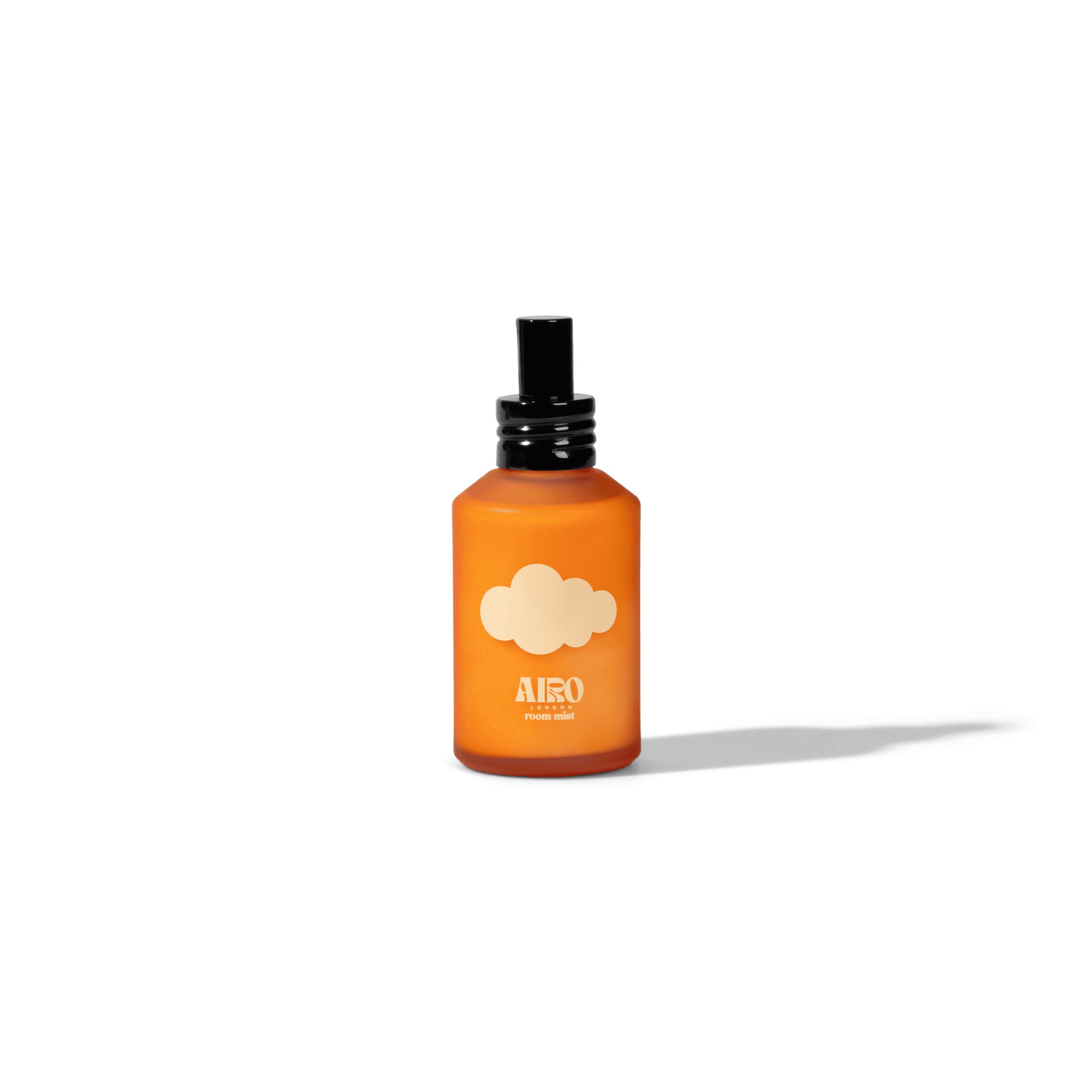
- A mist for the linen, a candle for the room. Two different jobs. The candle sets the room; the mist puts the scent within breathing distance for the whole night.
- And blow it out. Obviously. But it is worth saying, because the whole point is that you are no longer thinking clearly by then.
What the evidence says, honestly
Aromatherapy research is real, and it is modest. Most trials are small, many are short, and “better sleep” is usually measured by asking people how they slept rather than by wiring them up. The effects that do show up — falling asleep a little faster, waking a little less — are consistent enough to be worth having and small enough that nobody should be selling them as a cure.
What a scent reliably does is set a room and mark a boundary. That is not nothing: most people’s sleep problems are not chemical, they are the absence of a full stop at the end of the day. A candle is a very good full stop.
If poor sleep has been going on for several weeks, or it is affecting how you function during the day, please talk to your GP. Scent is a ritual, not a treatment.
Complete the ritual
Scent can help you unwind before bed.
SleepRated 5.0 out of 5,11 verified reviews
Sleep — Better sleep, naturally. Blended with essential oils chosen for their sleep-enhancing properties, this candle helps you wind down, drift off, and wake up feeling human again.

Ingredients
Himalayan Cedarwood
Warm, dry wood. Eases stress, encourages rest and insects dislike it.
Lavender
The classic sleep oil. Calms the nervous system and helps you drift off.
Lemon verbena
Fresh lemon without the sharpness. Eases tension and restless nights.
Ylang ylang
Rich, heady floral. Soothing, softly sedative, and a little seductive.
Mood
Relaxing
Soft, deeply calming blends that gently ease tension from the body and quiet the mind, guiding you through the evening and into a long, restful night's sleep.
Calming
Permission to pause. This blend is an invitation to step back. A delicate, unhurried scent that clears the mind, giving you the rare and precious gift of a moment that is purely, simply yours.
Benefits
Unwind before bed
Lavender and cedarwood, chosen to slow the mind down. Light an hour before bed and let it do the work.
Reading is free, always. An account just makes the hub remember you.